In a small town near Montpellier lived Julien Lefèvre, a thirty-six-year-old stonemason known for his kindness, courage, and hands often covered in cement. No one would have thought he would become the hero of a story the whole neighborhood would talk about: he announced that he was going to marry Élodie Marchand, a young woman confined to a wheelchair.
Élodie, a former art teacher and finalist in the Miss Languedoc-Roussillon pageant, had lost everything three years earlier in a terrible accident on the A9 highway. Since then, she could no longer move her legs.
People in the area whispered:
“He’s completely gone mad! He spent all his savings on a disabled woman?”
But Julien paid no attention to the gossip. He continued working, upright, with a focused gaze.
During their engagement photoshoot, he took her hand and whispered:
“Even if you can no longer walk, I will always be by your side. Together we will find another way forward.”
That evening, Élodie cried tears of happiness for the first time since the accident.
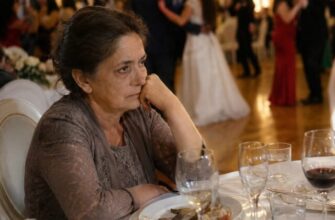
Élodie’s mother, Mrs. Marchand, a devout and protective woman, strongly opposed it:
“My daughter, think! You will never be able to give him children, nor fully help him in life! He deserves better!”
But Élodie calmly replied:
“Mom, he isn’t looking for perfection. He wants my heart.”
Faced with such determination, the family eventually backed down.
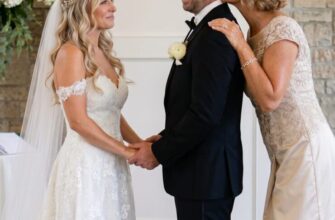
And one Sunday in June, in the small Romanesque church of Saint-Clément, under garlands of lavender and the sound of a local violinist, Élodie and Julien exchanged their vows.
Julien spent 75,000 euros, his ten years of savings from construction work, to renovate their home.
He built ramps, widened doors, installed an accessible shower, and created a light-filled painting studio.
“I want you to feel that this house is yours,” he told her one evening, his hands covered in plaster.
Élodie kissed him, her eyes full of tears. For the first time in a long while, she allowed herself to dream about tomorrow.
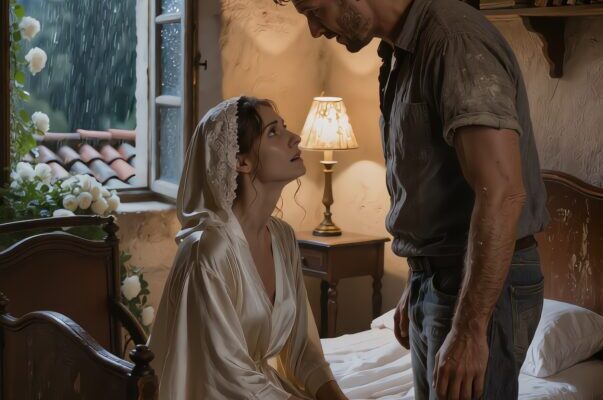
Rain gently fell on the red rooftops. Their room smelled of waxed wood and jasmine.
Julien, nervous, helped her lie down in bed. When he carefully removed her white lace dress, he froze… 😱😲
To be continued in the first comment 👇👇
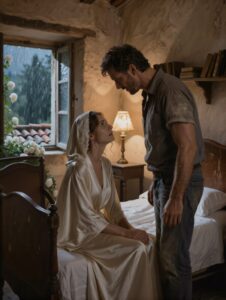
On Élodie’s side was a thin scar, revealing a recent procedure, too precise to be related to the accident.
“You’re… pregnant?” Julien whispered with a trembling voice.
“Yes,” she replied, as if she had been carrying that secret for a long time.
All the doctors had said it was impossible after the accident.
“How…?”
“The rehabilitation clinic in Montpellier offered me an experimental procedure. Not to make me walk again… but to preserve what remained of my body. I later found out I was pregnant, and I was afraid… afraid of losing you.”
Julien quietly knelt beside the bed:
“I didn’t marry you for what you can give me. I married you for who we are together.”
“But there are risks… for the baby and for me,” Élodie admitted.
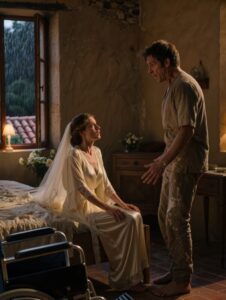
“Then we will face them together,” Julien said, covering her with a blanket.
The following weeks changed their lives. Julien learned to care for her and accompanied her to every medical appointment. Even Mrs. Marchand softened and brought warm soups and prayers.
In their home near Saint-Clément, the walls filled with paintings. Élodie returned to painting, her landscapes glowing with light.
One winter morning, a cry echoed in the hospital: a baby boy, fragile but alive. Julien cried as he held him in his arms together with Élodie.
“We’re moving differently… but together.”
Neighbors, once skeptical, now admired and greeted them with respect. This marriage was not a sacrifice. It was a new beginning.